At the Zapata-Briceño Institute, we focus on various research areas related to human intelligence. We explore everything from complex neural networks and brain regions to brain plasticity and functional connectivity. Our goal is to understand how these elements interact and contribute to human cognitive capacity, thereby offering a more comprehensive view of the nature of intelligence.
We investigate how different areas of the brain interact with each other during cognitive tasks
We explore the brain's ability to change and adapt in response to new information or experiences.
We study the efficiency and functionality of neural networks in relation to cognitive abilities.
We analyze how information flows through different brain regions during thinking and problem-solving
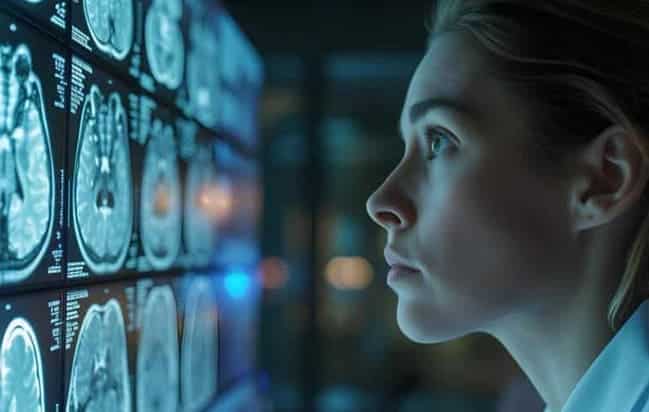
We employ a variety of advanced neuroimaging techniques, including functional magnetic resonance imaging (fMRI), positron emission tomography (PET), magnetic resonance spectroscopy (MRS), electroencephalography (EEG), and magnetoencephalography (MEG), to investigate the structure and functional dynamics of the brain during cognitive tasks. These complementary methods allow us to examine neural activity across different spatial and temporal scales, providing an integrated view of the mechanisms that underlie perception, memory, and higher-order cognition.
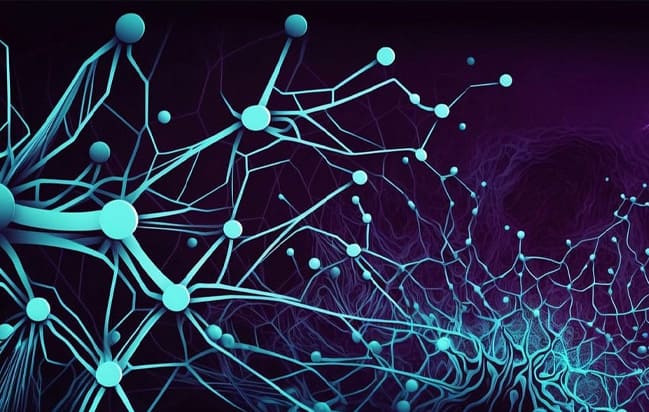
We develop computational models across multiple scales—from individual neurons to whole-brain networks—to investigate the fundamental principles of neural processing, perception, and memory. Our research focuses particularly on the role of hierarchical organization and brain oscillations in shaping cognitive function.
Our goals in computational neuroscience are both ambitious and grounded. We aim to simulate complex neural circuits, model synaptic plasticity, and analyze large-scale neuroimaging data to better understand the dynamics of brain function. Through biologically grounded simulations, we seek to deepen our understanding of brain processes and contribute to the development of technologies that enhance cognitive function and quality of life.
We demonstrate that the effects of transcranial alternating current stimulation (tACS) depend on the brain’s internal state. Its effectiveness increases when the stimulation frequency is aligned with ongoing brain oscillations, paving the way for personalized and precision interventions in both cognition and clinical applications.
We explore how local excitation and diffuse inhibition across modules optimize information processing, inspiring both the understanding of cognition and the design of artificial intelligence systems.
We show how diversity in neural interaction timings can generate functional modularity even in networks without explicit modular structure, enabling flexible and efficient communication between different brain populations.
We show how, within a cortical column, fast gamma oscillations can intrinsically give rise to slower rhythms such as theta or alpha. This finding reveals that dynamics across different timescales can emerge solely from the population activity of fast-spiking neurons.
We establish collaborations with other institutions and research centers.
We promote academic and collaborative exchange programs
We contribute to scientific publications and collaborate with other researchers.
We contribute to the development of technologies based on our findings.
We offer scholarships for students and researchers.
We conduct scientific dissemination activities to share our work.
We are committed to turning our research into concrete actions to benefit society. Our findings have the potential to positively impact education, healthcare, technology, quality of life, human skill development, and conflict resolution. From the classroom to the clinical setting, we work to create a better world through knowledge and understanding.